Why People Wear Knee Supports for Exercise
Knees take a lot of load when you run, squat, jump or change direction, so it is natural to want some extra reassurance. Some people wear a light sleeve because it feels snug and keeps the joint warm. Others wear a strap or brace because a clinician told them to. These are personal choices, and they are not the same as a treatment.
Pain While Training Is Information
The most useful thing to know is that a support should not be used to train through pain. If a knee hurts during or after exercise, something is telling you to stop and look at why. Common culprits are doing too much too soon, a change of shoes or surface, or a technique issue, though only a professional who has examined the knee can say what applies to you.
The Chartered Society of Physiotherapy says most musculoskeletal conditions improve within about six to eight weeks, though some last longer, and suggests seeing a GP if pain is getting worse rather than better despite self-management (see the CSP's page on managing knee pain).
Choosing What to Wear for Each Activity
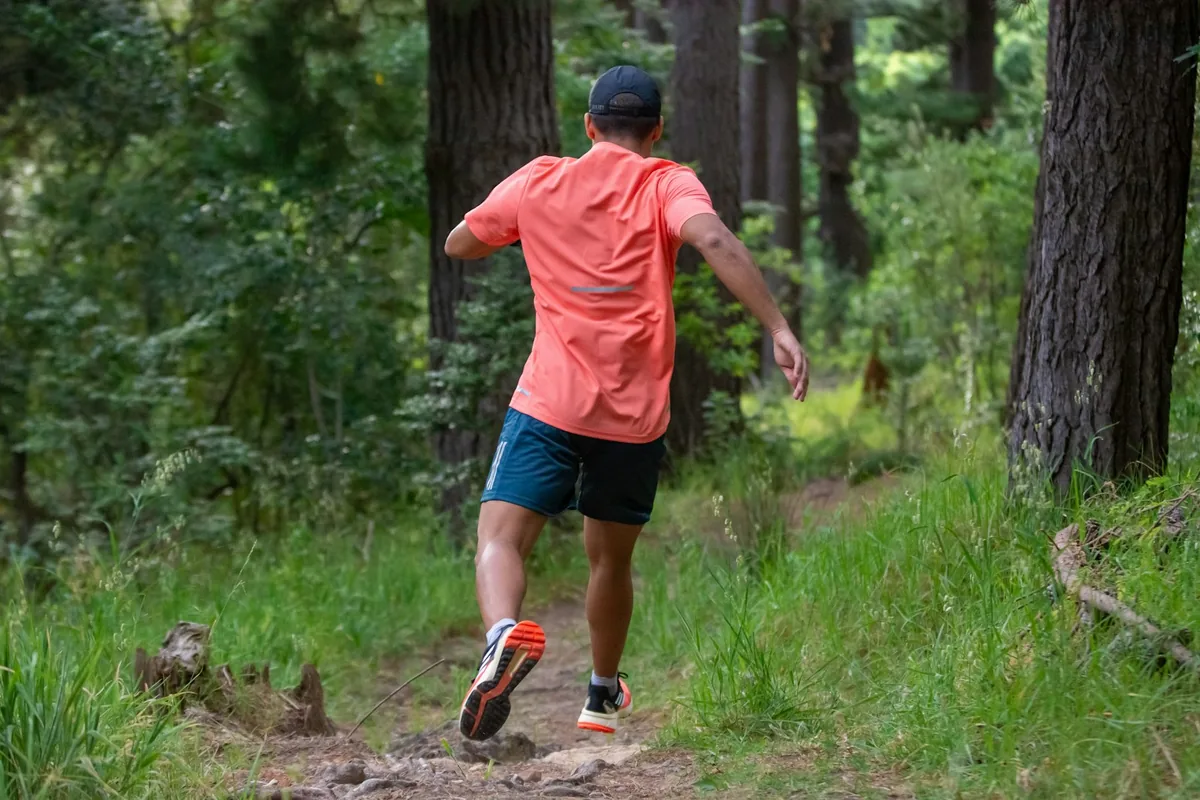
- Running – you need to be able to bend the knee freely, so many runners pick a light sleeve or small strap; avoid anything that bunches behind the knee or rides down as you sweat
- Gym and weights – a snug sleeve is the usual choice for squats and lunges; make sure it does not roll over at the top of the movement
- Court and field sport – sudden turns put different demands on the knee; bulkier braces limit movement, so a clinician should advise if you want one
- Cycling and walking – a thin sleeve is easy to wear under shorts or trousers; check it does not pinch the back of the knee when it is bent
Checking It Works for You
- Do a trial before race day – wear it on a short, easy session first, not for the first time on the day of an event
- Watch for rubbing – sweat plus friction can irritate the skin behind the knee; consider a thin layer or a different style
- Check it after warming up – legs swell and shift slightly during exercise, so see if the support still feels the same ten minutes in
- Stay honest about pain – if the support lets you ignore pain you would otherwise notice, that is a reason to get the knee looked at
What to Do If the Knee Is Sore After Training
A little muscle tiredness is normal, but sharp, increasing or lasting knee pain is not something to push through. Rest the knee, avoid the activity that brings it on, and if it does not settle, speak to a GP or physiotherapist. Taking a support off after exercise is also a chance to look at the skin and the knee itself: note any swelling, warmth or marks, as these are useful details to tell a clinician.
It is also worth keeping a simple note of what you did, how far or how heavy, and when the knee started to hurt. That gives a physiotherapist something concrete to work with.
Other Things That Matter More Than Any Support
For many knee niggles, the basics count for more than anything you wear. Build up distance, weight or intensity gradually, wear shoes in good condition, warm up and take rest days. Where there is a condition such as osteoarthritis, the NHS recommends regular exercise for mild symptoms and a structured exercise plan with a physiotherapist for more severe ones (see the NHS page on osteoarthritis). Strength work for the legs is something a physiotherapist can tailor to you.
Looking After Your Kit
Sweat and friction wear supports out quickly. Rinse or wash yours as the label says after hard sessions, let it dry fully before the next, and replace it once the fabric has stretched, frayed or lost its grip. A support that no longer stays in place is just something to adjust mid-run, which is no help to anyone.
If You Hurt Your Knee
For a sprain or strain, the NHS advises in the first couple of days to protect the injury, rest it, apply ice for up to 20 minutes every 2 to 3 hours, use a bandage for support during the day and keep the leg raised. It also says to avoid heat, alcohol and massage early on. Go to A&E or call 999 if you heard a crack when the injury happened, the leg has changed shape or points at an odd angle, you have numbness or tingling, or the skin looks blue or grey (NHS sprains and strains).
A Support Is Not a Treatment
A knee support is something you wear, not something that treats a knee problem. It will not mend an injury or cure a condition, and it is no substitute for finding out what is causing the trouble. The NHS page on knee pain says to see a GP if knee pain has not improved within a few weeks, and to contact NHS 111 if the knee is very painful, badly swollen or has changed shape, you cannot put weight on it, or it locks or gives way. In many areas you can also refer yourself to an NHS community musculoskeletal (MSK) service for physiotherapy without seeing a GP first.
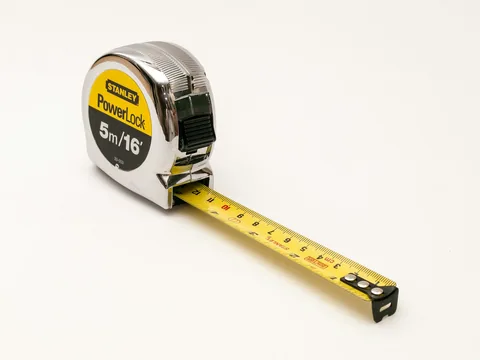
If you are not sure which kind of support to look at, our guide to knee sleeves, braces and straps explains the differences, and the guide to measuring and fitting a knee support helps with sizing.
We may earn a commission when you buy through links on our site. Learn more · How we rank products