How to choose binoculars or a monocular for bird watching
For bird watching you need two things: enough power to see field marks, and a view you can hold steady. This page covers one 12x50 monocular and four 8x42 and 8x32 binoculars. In 8x42, the 8 means birds look eight times closer and the 42 is the width of each front lens in millimeters. A 12x monocular brings birds closer still, but you view with one eye and it is harder to hold steady by hand.
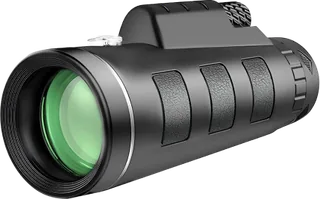
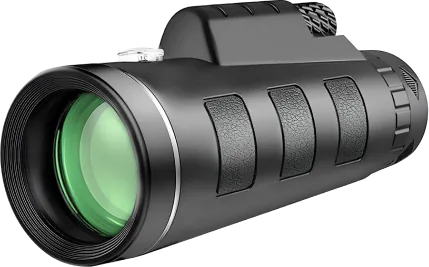
Our top pick, the Stellar Scope 12x50 Monocular, is for backyard and feeder birders, and for anyone who wants phone photos of birds without buying extra gear. Per the seller, it comes with a small tripod and a phone adapter, so you can photograph the birds you watch (digiscoping) straight out of the box. For long walks and fast-moving birds, many birders prefer 8x42 binoculars, which give a wider, steadier two-eye view. The four pairs ranked #2 to #5 cover that.
We did not test these optics ourselves. We ranked them on published specs, build and waterproofing, weight, what comes in the box, warranty and returns, price, and the balance of owner and expert reviews. The final order is our own editorial judgement. For the top spot, it gives extra weight to reach and to the tripod and phone adapter in the box. Scores are our own ranking, not lab results. Expert findings for the binoculars come from Cornell Lab's All About Birds and from OutdoorGearLab, and we name the source and year each time. Where those reviewers measured a different weight or close focus than the maker lists, we say so. We found no expert reviews of the Stellar Scope, so its specs come from the seller, and we say so.
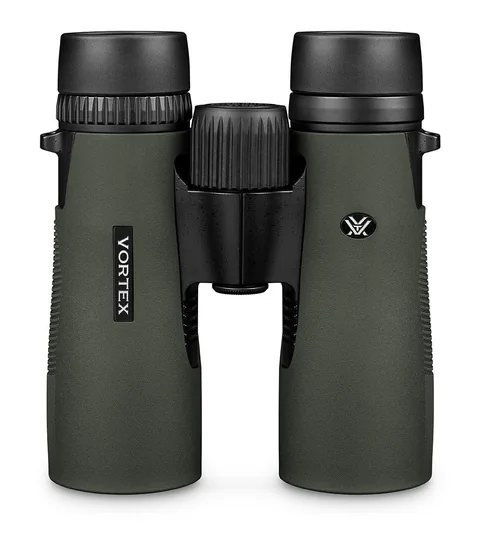
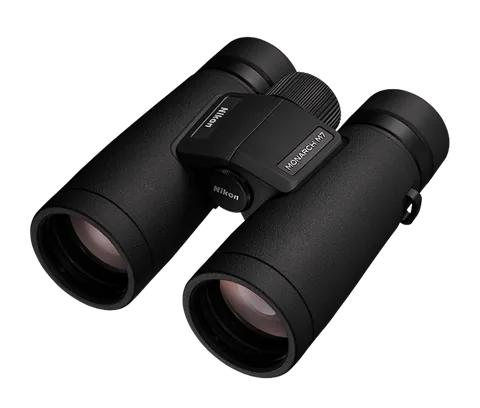
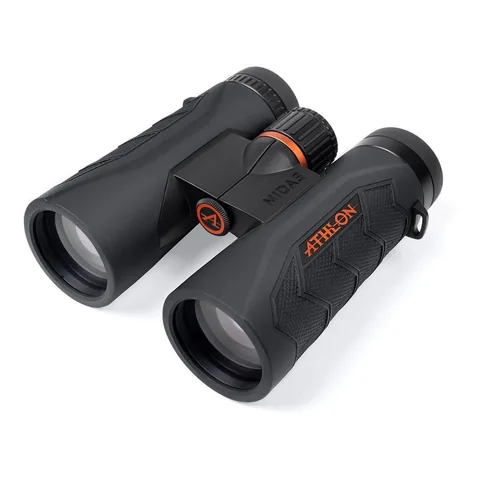
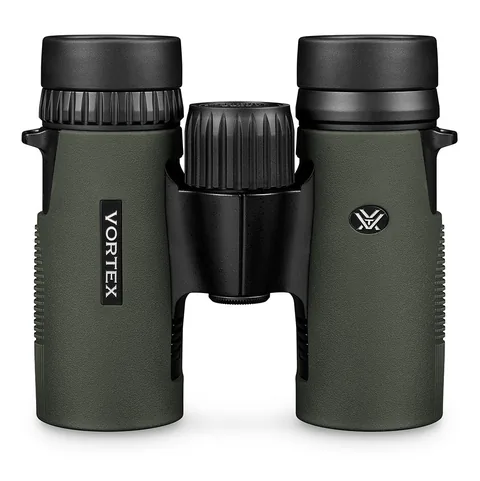
Quick picks: our top pick for backyard birding and phone photos, Stellar Scope 12x50 Monocular. Best binoculars for most birders, Vortex Diamondback HD 8x42. Best step-up, Nikon Monarch M7 8x42. Best ED-glass value, Athlon Midas G2 UHD 8x42. Best compact, Vortex Diamondback HD 8x32. The binoculars list from about $280 to about $490 on the makers' sites in September 2026. Store prices vary and change often.
Signs of a poorly made birding optic
Cheaply made binoculars and monoculars often share these problems. Watch for them before you buy:
- Blurry edges and faded colors
- A loose, gritty or sticky focus wheel
- No lens coatings listed
- Red "ruby" lens coatings that tint colors
- Zoom models that change power, which are often dim
- Close focus farther than about 10 ft
- Short eye relief that cuts off the view in glasses
- Wobbly hinges or eyecups that will not stay put