A retro handheld and a plug-and-play TV console can both hold dozens of old games, so they are easy to confuse in a shop listing. They are built for different jobs. One is made to travel and has its own screen. The other is a controller or box that plugs into the television and does one thing. This guide sets out the differences so you can choose.
What a Plug-and-Play Console Is
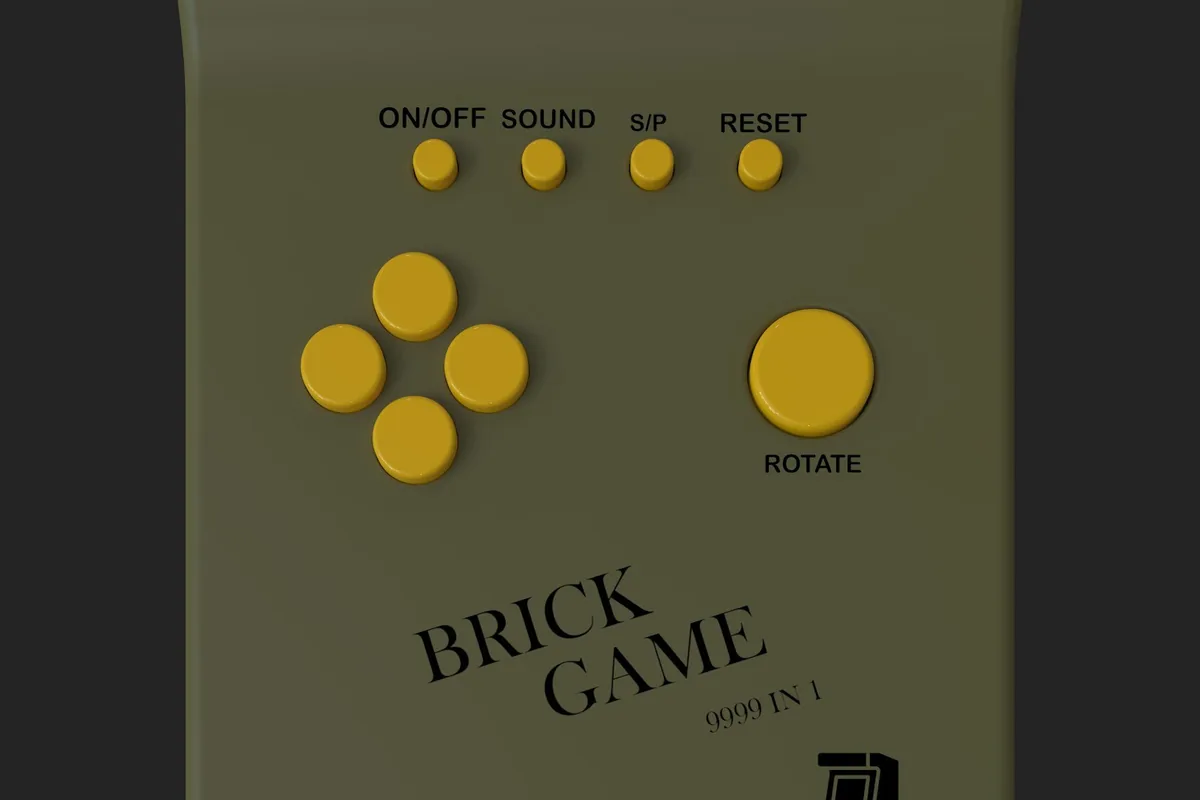
A plug-and-play console, also called a handheld TV game, is a controller and console in one unit, usually battery-powered, that connects straight to a television. The games are built into the hardware rather than loaded from removable media, and users generally cannot change the software. Many are shaped like a toy or a classic console controller. They typically hold either a collection of classic games or original games based on licensed characters, and many connect to the television with a composite video cable. Some use motion controls. They are marketed as electronic toys or collectibles more than as game consoles.
Newer mini consoles follow the same idea with better output. The Sega Genesis Mini, for example, is a small console with 42 Sega Genesis games built in.
What a Retro Handheld Is
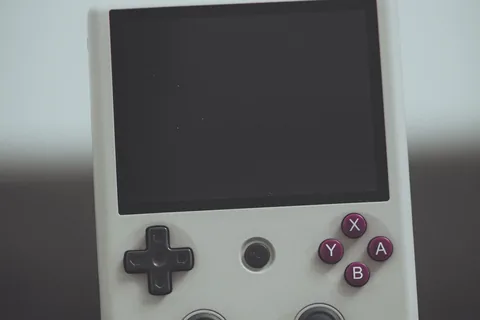
A retro handheld has its own screen, controls and rechargeable battery in one case. How it gets games varies. The Analogue Pocket takes original Game Boy, Game Boy Color and Game Boy Advance cartridges. The Evercade handheld, made by British company Blaze Entertainment, plays flash-memory cartridges of licensed re-releases that usually hold 5 to 20 games each. Cheaper handhelds are small computers that imitate older consoles. Our guide to what to look for in a retro handheld goes through the options.
How They Compare
Where you play
This is the first question. A plug-and-play console needs a television, so it lives in the living room. A handheld goes in a bag and works on a sofa, a train or in bed. The Evercade range shows the overlap: the handheld has a 4.3-inch screen, and the Evercade VS is a separate home console that outputs 1080p to a television. Some handhelds also reach the television through a dock. The Analogue Dock for the Pocket adds HDMI output and wireless controller support.
Games
A plug-and-play console has a fixed list. If it has 200 games and you like six of them, that is what you have. A handheld that uses cartridges lets you add titles over time. Fixed does have an upside: there is nothing to set up, and every game is already on the device.
Screen and picture
A handheld's screen is chosen by the maker to suit the games. The Analogue Pocket's 1600 by 1440 panel is ten times the original Game Boy's 160 by 144 in each direction. A plug-and-play console gives you the television's size but is limited by its output. Composite video is an old analogue standard, and many newer televisions have no connector for it, so check what the box connects with and what your television accepts, or whether an adapter is needed.
Controls
On a handheld, the controls are part of the device, which makes them a key point to check. A plug-and-play console may have the controls in the same body, and some models use a controller on a lead. If you want to play with someone else on the sofa, look at how many controllers are supplied and whether a second one can be added. Some handhelds can use wireless controllers through a dock.
Power
Plug-and-play consoles are usually battery-powered, so check whether the box supplies batteries or a power adapter. A handheld has a built-in battery, and on a current model it charges over USB-C. The Analogue Pocket's 4,300 mAh battery is stated to give 6 to 10 hours, and the Evercade handheld has a 2,000 mAh battery. For more on battery habits, see how to look after a retro handheld's battery and screen.
Flexibility and lifespan
If a built-in game on a plug-and-play unit is not to your taste, you cannot swap it. If the unit breaks, you lose the whole library with it. A cartridge handheld keeps its library separate from the hardware, so your games survive a new device.
A Note on Where Games Come From
Any device that plays old games raises a copyright question, and it is worth a minute before you buy. Emulation software is generally legal in itself, but game files remain protected by copyright. In the UK, a private-copying exception was introduced in 2014 and was quashed by the High Court in July 2015, so you should not assume that you may copy a game you own on to another device. GOV.UK's guidance on exceptions to copyright is the place to check the rules. Official cartridges, licensed re-releases and games built into a plug-and-play unit avoid the question altogether.
Which One Suits You?
- Choose a plug-and-play console if you want a simple gift for a shared room, you only want the games it ships with and you have the television input it needs.
- Choose a retro handheld if you want to play away from the television, build up a library over time or care about the screen and the controls.
- Look at a handheld with a dock if you want both and are happy to buy extra pieces.
Final Thoughts
The two are not really rivals. One is a toy-like box for a particular shelf; the other is a portable device with room to grow. Decide where you will play and how many games you will want in a year's time, and the choice gets easier. If a handheld sounds right, start with our checklist of screen, battery and controls.
We may earn a commission when you buy through links on our site. Learn more · How we rank products